

Introduction
Dental implants are considered one of the safest and most effective solutions for replacing missing teeth. They provide a permanent, natural-looking restoration that improves both oral function and smile appearance.
Modern dental implant technology offers high success rates, long-term durability, and improved patient comfort, making implants a preferred treatment in restorative dentistry.
What Are Dental Implants?
Dental implants are artificial tooth roots made from biocompatible materials such as titanium or zirconia. They are surgically placed into the jawbone to support dental crowns, bridges, or dentures.
After placement, the implant gradually fuses with the jawbone through a natural healing process called osseointegration. This creates a stable and secure foundation similar to a natural tooth root.
Are Dental Implants Safe?
Yes, dental implants are generally considered very safe when performed by experienced dental professionals. Implant dentistry has been successfully practiced for decades with consistently high success rates.
Modern dental clinics use advanced imaging systems, digital planning, and precision-guided surgical techniques to improve treatment safety and accuracy.
Why Dental Implants Are Considered Safe
Biocompatible Implant Materials
Most dental implants are made from titanium, a highly biocompatible material widely used in medical and dental procedures. Titanium integrates naturally with bone tissue and is well accepted by the human body.
Some modern implants are also made from zirconia, offering a metal-free alternative for patients seeking aesthetic or sensitivity-related benefits.
High Success Rates
Clinical studies show that dental implants have a success rate of more than 95% when patients maintain proper oral hygiene and follow professional aftercare instructions.
Long-term success depends on factors such as:
- Oral hygiene habits
- Bone quality
- Overall health
- Smoking habits
- Regular dental checkups
Advanced Dental Technology
Modern implant dentistry uses advanced technologies that improve precision and reduce complications.
These technologies may include:
- 3D dental scans
- Digital treatment planning
- Guided implant surgery
- CAD/CAM restorative systems
- Computer-assisted diagnostics
These innovations help dentists place implants more accurately and safely.
Benefits of Dental Implants
Dental implants provide both functional and cosmetic advantages for patients with missing teeth.
Permanent Tooth Replacement
Unlike removable dentures, dental implants are fixed securely into the jawbone, providing long-term stability.
Natural Appearance
Implants are designed to closely resemble natural teeth in shape, color, and function.
Improved Chewing Ability
Dental implants restore bite strength, allowing patients to eat comfortably and confidently.
Prevention of Bone Loss
Implants help stimulate the jawbone and reduce bone deterioration that often occurs after tooth loss.
Long-Term Durability
With proper care, dental implants can last many years and may even provide lifelong support.
Improved Speech and Comfort
Because implants remain securely in place, they improve speech clarity and eliminate denture movement.
Potential Risks of Dental Implants
.
Are Dental Implants Safe? Everything You Need to Know
Introduction
Dental implants are one of the most trusted and effective solutions for replacing missing teeth. They are designed to restore both the appearance and function of natural teeth while providing long-term stability and comfort.
With modern dental technology and advanced implant procedures, dental implants have become a highly safe and predictable treatment option for millions of patients worldwide.
What Makes Dental Implants Safe?
Modern dental implants are typically made from titanium or zirconia, materials known for their strength, durability, and biocompatibility. These materials integrate naturally with jawbone tissue, creating a stable foundation for replacement teeth.
Advanced dental imaging, digital treatment planning, and guided implant surgery further improve treatment precision and safety.
What Are Dental Implants?
Dental implants are artificial tooth roots surgically placed into the jawbone to support crowns, bridges, or dentures. Once healing occurs, the implant functions similarly to a natural tooth root.
The process of bone bonding with the implant is called osseointegration, which helps create long-term stability and durability.
Why Dental Implants Are Popular in Modern Dentistry
Dental implants are widely recommended because they combine functionality, aesthetics, and long-lasting performance in a single treatment.
Natural Appearance
Dental implants are designed to closely match the shape, color, and feel of natural teeth, helping restore confidence and smile aesthetics.
Permanent Tooth Replacement
Unlike removable dentures, implants are fixed securely in the jawbone, providing greater comfort and stability.
Prevention of Bone Loss
When a tooth is lost, the jawbone may gradually shrink over time. Dental implants help stimulate the bone and reduce bone loss.
Improved Chewing and Speech
Because implants remain stable, they improve chewing efficiency and help patients speak more clearly without denture movement.
Long-Term Durability
With proper oral care and professional maintenance, dental implants can often last for many years.
Benefits of Dental Implants
Dental implants offer several important advantages for patients with missing teeth.
High Success Rates
Clinical studies show that dental implants have a success rate of over 95% when placed by experienced professionals and maintained correctly.
Biocompatible Materials
Titanium implants are highly compatible with the human body and are widely used in modern medicine and dentistry.
Comfortable Fit
Implants function like natural teeth and eliminate many of the discomforts associated with removable dentures.
Better Oral Health
Dental implants do not require support from neighboring teeth, helping preserve healthy tooth structure.
Improved Confidence
A complete and natural-looking smile can improve both appearance and self-confidence.
Potential Risks of Dental Implants
Like any surgical procedure, dental implants may involve minor temporary risks.
Possible risks include:
- Swelling
- Mild discomfort
- Infection
- Temporary bleeding
- Nerve irritation in rare cases
- Implant failure in uncommon situations
These risks are usually minimized through proper treatment planning, professional placement, and good oral hygiene.
Who Is a Good Candidate for Dental Implants?
Dental implants may be suitable for most healthy adults with adequate jawbone support.
Ideal candidates generally:
- Have healthy gums
- Maintain good oral hygiene
- Have sufficient bone density
- Do not smoke heavily
- Are free from uncontrolled medical conditions
A dental consultation and examination are necessary to confirm eligibility.
The Dental Implant Procedure
The dental implant process usually includes several stages.
1. Consultation and Examination
The dentist evaluates oral health using digital scans and X-rays to create a personalized treatment plan.
2. Implant Placement
The implant is surgically placed into the jawbone under local anesthesia.
3. Healing and Osseointegration
Over the following months, the implant integrates naturally with the jawbone.
4. Crown Placement
After healing, a custom dental crown is attached to complete the restoration.
How Long Do Dental Implants Last?
Dental implants are designed to be a long-term tooth replacement solution. With proper care, they can often last 15 years or longer.
Factors affecting implant lifespan include:
- Oral hygiene habits
- Smoking
- Gum health
- Regular dental visits
- Teeth grinding
How to Care for Dental Implants
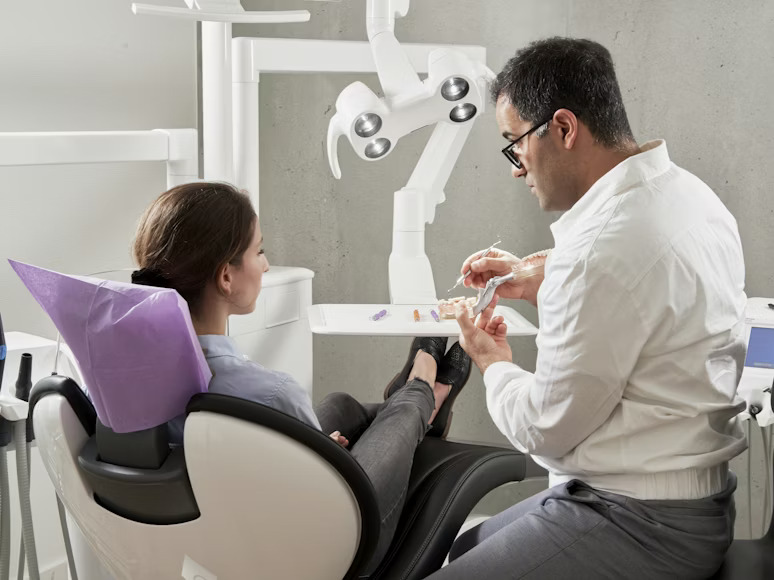
Maintaining dental implants is similar to caring for natural teeth.
Important Care Tips
- Brush twice daily
- Floss around implants carefully
- Avoid smoking
- Visit the dentist regularly
- Wear a night guard if needed
Proper maintenance helps protect both the implant and surrounding gum tissue.
Are Dental Implants Better Than Dentures?
Dental implants are often preferred over removable dentures because they provide:
- Better stability
- Improved comfort
- Natural appearance
- Stronger chewing ability
- Bone preservation benefits
However, the best treatment depends on individual dental conditions and treatment goals.
Conclusion
Dental implants are considered a safe, durable, and highly effective solution for replacing missing teeth. Their natural appearance, long-term stability, and ability to preserve jawbone health make them one of the best options in modern restorative dentistry.
With advanced technology, proper planning, and good oral hygiene, dental implants can provide lasting functional and cosmetic benefits for many years.
Frequently Asked Questions About Dental Implants
1. Are dental implants safe for everyone?
Dental implants are safe for most healthy adults, but a dental examination is necessary to determine suitability.
2. How painful is dental implant surgery?
Most patients experience minimal discomfort because the procedure is performed under local anesthesia.
3. How successful are dental implants?
Dental implants have a success rate of more than 95% with proper care and maintenance.
4. Can dental implants fail?
Implant failure is rare but may occur due to infection, smoking, poor oral hygiene, or insufficient bone support.
5. How long does implant recovery take?
Initial healing usually takes a few days, while complete bone integration may take several months.
6. Are titanium dental implants safe?
Yes, titanium is highly biocompatible and has been safely used in medical treatments for decades.
7. Can smokers get dental implants?
Smokers may still qualify for implants, but smoking can increase the risk of complications and slower healing.
8. Do dental implants look natural?
Yes, modern dental implants are designed to closely resemble natural teeth in appearance and function.
Releted articles
What Are Zirconium Crowns? Benefits and Advantages
Clinical studies show that with proper care, dental implants have a success rate of over 95%. As noted by experts at the Mayo Clinic, implants are an excellent option for those with healthy gums and enough bone to support the implant.
Are dental implants safe? Yes — dental implants are one of
the safest and most effective permanent tooth replacement
options available today. With a success rate of over 95%,
advanced dental technology has made implants a trusted
solution for millions of patients worldwide. In this guide,
we cover everything about dental implant safety, benefits,
risks, and recovery.


