

Introduction
How Long Do Veneers Last is one of the most common questions in cosmetic dentistry. Dental veneers are a long-term cosmetic solution designed to improve smile appearance, tooth shape, and overall aesthetics.
The lifespan of veneers depends on the material used, oral hygiene habits, and daily lifestyle choices. Understanding how long veneers last helps patients maintain long-lasting cosmetic dental results.
Average Lifespan of Veneers
Porcelain veneers: 10–15 years
E-max veneers: 15–20 years
Composite veneers: 5–7 years
Factors Affecting Longevity
Several habits influence veneer durability:
Oral hygiene quality
Teeth grinding
Smoking
Diet choices
Regular dental visits
Tips to Make Veneers Last Longer
Maintain Proper Oral Hygiene
Brush twice daily and floss regularly.
Avoid Hard Foods
Do not bite ice, hard candies, or non-food objects.
Wear a Night Guard
Patients who grind their teeth should use a protective night guard.
Schedule Regular Checkups
Routine professional cleaning helps preserve veneers and overall oral health.
Signs Veneers May Need Replacement
Cracks or chips
Gum recession
Staining around edges
Loose veneers
Conclusion
Understanding how long veneers last helps patients maintain healthier and longer-lasting cosmetic dental results. Porcelain, E-Max, and composite veneers all have different lifespans depending on oral hygiene, lifestyle habits, and professional dental care.
With proper maintenance, veneers can remain durable, aesthetic, and functional for many years.

What Are Dental Veneers?
Dental Veneers are thin shells bonded to the front surface of teeth. They are usually made from porcelain or composite resin and are customized to match the patient’s natural smile.
Veneers are commonly used to improve:
- Tooth color
- Minor alignment issues
- Small gaps between teeth
- Chipped or worn teeth
- Uneven tooth shapes
How Long Do Veneers Last?
The lifespan of veneers depends on the material used, oral hygiene habits, and overall dental care.
Porcelain Veneers
Porcelain veneers typically last between 10–15 years or longer with proper maintenance. They are highly durable and resistant to staining.
Composite Veneers
Composite veneers usually last around 5–7 years. They may require more frequent maintenance because they are less resistant to wear and discoloration.
Factors That Affect Veneer Lifespan
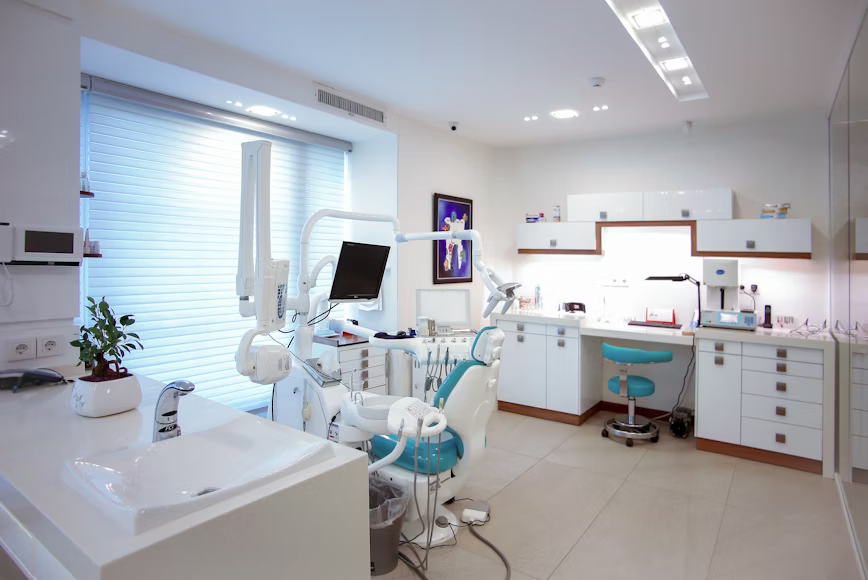
Several factors can influence how long Dental Veneers last.
Oral Hygiene
Daily brushing and flossing help prevent gum disease and decay around the veneers.
Diet and Habits
Consuming excessive coffee, tea, red wine, or tobacco products may increase staining risks, especially for composite veneers.
Teeth Grinding
Grinding or clenching teeth can damage veneers over time. Dentists may recommend a night guard for protection.
Professional Dental Care
Regular dental checkups and cleanings help maintain both veneers and overall oral health.
How to Maintain Veneers Properly
Brush and Floss Daily
Use a soft-bristled toothbrush and non-abrasive toothpaste to protect the veneer surface.
Avoid Hard Objects
Do not bite hard foods, ice, pens, or fingernails, as excessive pressure may crack veneers.
Limit Staining Foods and Drinks

Reducing coffee, tea, smoking, and dark-colored beverages can help maintain a brighter smile.
Wear a Night Guard if Necessary
Patients who grind their teeth during sleep may benefit from wearing a custom night guard.
Visit the Dentist Regularly
Routine dental visits allow dentists to check the condition of veneers and address small issues before they become larger problems.
Signs Veneers May Need Replacement
Patients should consult their dentist if they notice:
- Cracks or chips
- Discoloration
- Loose veneers
- Gum recession around veneers
- Changes in bite or comfort
Frequently Asked Questions
How long do porcelain veneers last?
Porcelain veneers usually last between 10–15 years with proper care and maintenance.
Do E-Max veneers last longer?
Yes, E-Max veneers are highly durable and may last 15–20 years or longer.
Can veneers last forever?
Dental veneers do not last forever, but proper oral hygiene and regular dental care can significantly extend their lifespan.
How often should veneers be replaced?
Replacement depends on wear, damage, gum recession, or cosmetic changes over time.
Releted articles
What Are Zirconium Crowns? Benefits and Advantages
Clinical studies show that with proper care, dental implants have a success rate of over 95%. As noted by experts at the Mayo Clinic, implants are an excellent option for those with healthy gums and enough bone to support the implant.


